 Online Clock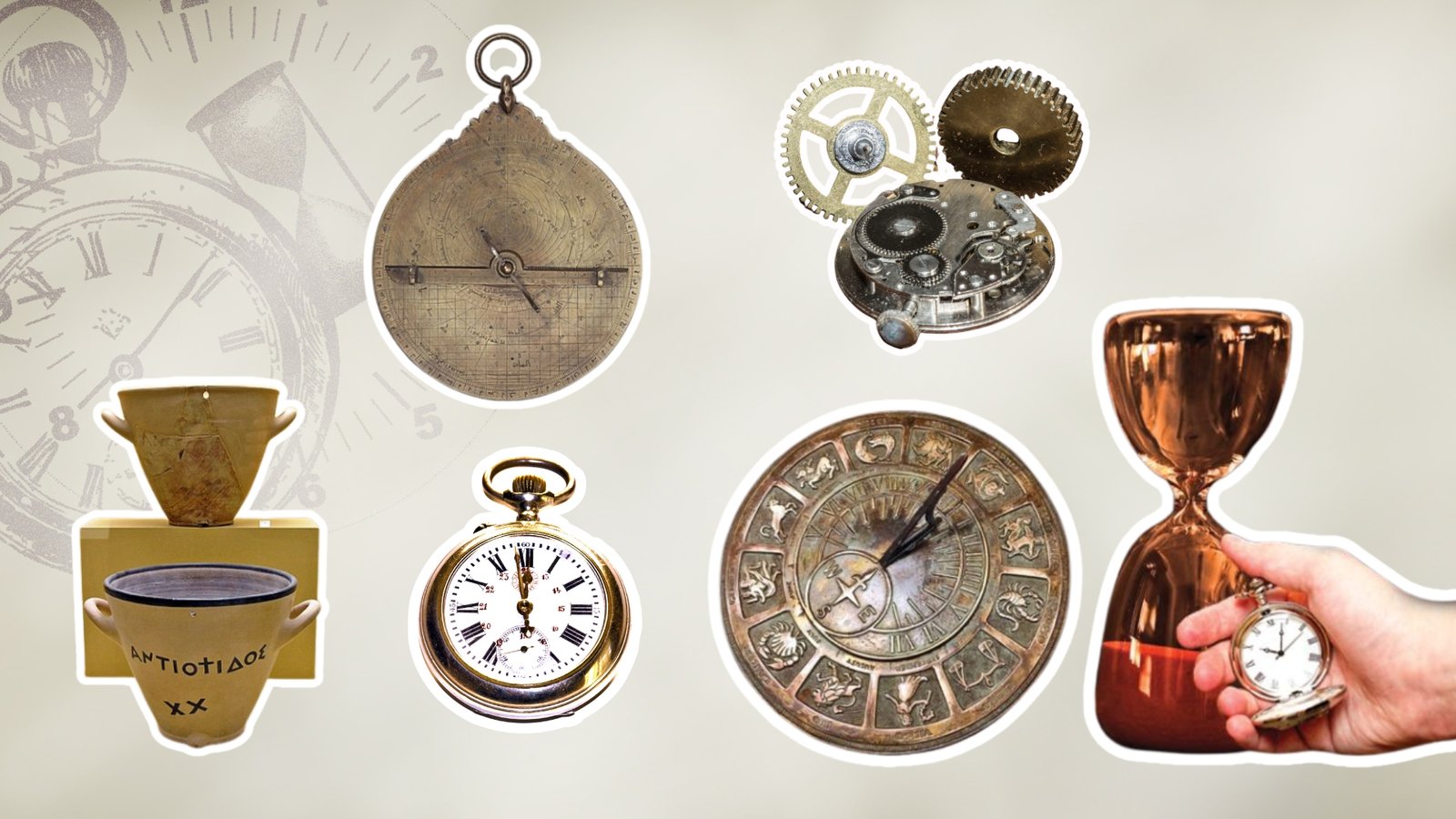
Time is one of humanity’s most fundamental concepts, and throughout history, people have sought ways to measure and organize it. Among the greatest inventions that revolutionized human life is the clock. From primitive sundials to modern atomic clocks, this instrument has not only shaped our daily routines but also transformed science, navigation, and technology. Today, clocks are more than just devices that tell time; they are symbols of precision, artistry, and cultural heritage.
In this article, we’ll explore the history of clocks, their evolution, types, cultural significance, and the impact they continue to have in our modern world.
The Origins of Timekeeping
Long before mechanical clocks were invented, humans relied on nature to measure time. Ancient civilizations observed the movement of the sun, moon, and stars to understand the passage of hours, days, and seasons. Early timekeeping devices included:
- Sundials: First developed around 3500 BCE in ancient Egypt, sundials used the shadow cast by the sun to indicate time. While effective during daylight, they were useless at night or on cloudy days.
- Water Clocks (Clepsydra): Used in Egypt, Greece, and China, these devices measured time by the regulated flow of water from one container to another.
- Candle Clocks and Incense Clocks: Popular in China and the Middle East, these clocks measured time based on the rate at which candles or incense sticks burned.
Though primitive by modern standards, these devices laid the foundation for mechanical and scientific advancements in timekeeping.
The Rise of Mechanical Clocks
The first mechanical clocks appeared in medieval Europe around the 13th century. These clocks used gears, weights, and escapements to regulate time. Large tower clocks were built in cathedrals and town squares, not only to keep time but also to symbolize civic pride and religious devotion.
One of the earliest recorded mechanical clocks was built in England in 1283 at Dunstable Priory. By the 14th century, mechanical clocks had spread across Europe, often accompanied by bells that rang at regular intervals.
The invention of the pendulum clock by Christiaan Huygens in 1656 marked a turning point. The pendulum significantly improved accuracy, reducing errors from hours to minutes per day. This advancement laid the groundwork for scientific discoveries in astronomy and navigation.
Evolution Into Modern Clocks
As centuries passed, clocks became more accurate, portable, and diverse in design. Key milestones include:
- Pocket Watches (16th century): Allowed individuals to carry personal timekeepers for the first time.
- Grandfather Clocks (17th century): Tall case clocks with long pendulums became popular symbols of elegance and status.
- Marine Chronometers (18th century): Essential for sailors, these precision instruments enabled accurate navigation at sea, solving the “longitude problem.”
- Quartz Clocks (20th century): Introduced in 1927, quartz technology used vibrating crystals to achieve unmatched precision. These soon became the standard for household and industrial clocks.
- Atomic Clocks (mid-20th century): Measuring time using vibrations of atoms, these remain the most accurate timekeeping devices, essential for GPS, telecommunications, and scientific research.
Types of Clocks
Clocks today come in countless forms, each suited for different purposes. Some of the most common include:
- Analog Clocks
Featuring hands on a dial, analog clocks are timeless and still widely used. They are found in classrooms, offices, homes, and public spaces.
- Digital Clocks
Displaying time in numerical format, digital clocks are convenient and often integrated into electronics like phones, computers, and appliances.
- Wall Clocks
A decorative yet functional staple in homes and businesses, wall clocks often reflect design trends while serving as practical tools.
- Alarm Clocks
Designed to wake people at set times, alarm clocks revolutionized morning routines. Modern versions come with customizable sounds, lights, and even smart features.
- Cuckoo and Decorative Clocks
Popular in European traditions, these clocks are as much works of art as functional devices. The cuckoo clock, originating from Germany’s Black Forest, is particularly famous.
- Smart Clocks
Integrated with voice assistants and IoT technology, smart clocks provide more than time—they offer weather updates, reminders, and connectivity with other devices.