 Online Clock
Key Takeaways
- Home prices are expected to rise modestly in 2026, signaling a more balanced and predictable market.
- Mortgage rates are stabilizing, allowing buyers to plan budgets with greater confidence.
- Increased housing inventory is easing competition and expanding buyer options.
- Technology continues to reshape the home-buying experience through virtual tours and AI-driven insights.
- Demand is shifting toward suburban and secondary markets, driven by lifestyle changes and the rise of remote work.
- Sustainable and smart home features are becoming essential priorities for modern buyers.
Introduction
The 2026 housing market is unfolding as one of the most dynamic in recent memory, marked by a blend of economic stability, technological innovation, and shifting buyer values. Navigating these trends is crucial for anyone considering a home purchase, whether for personal living or investment purposes. Insights from experts, like Cincinnati, OH real estate experts The Cindy Shetterly Team, empower buyers with the knowledge to make confident choices in an environment where adaptability is essential.
As buyers and sellers look towards the future, understanding how national and regional forces may affect the real estate market can help set expectations, refine strategies, and enhance the decision-making process. From the stabilization of mortgage rates to the evolution of housing inventory, these patterns will shape the experiences of millions of Americans in the years ahead.
Modest Increase in Home Prices
In contrast to the rapid fluctuations seen in recent years, analysts forecast a gradual rise in home prices, estimating values to climb between 1.2% and 4% nationally during 2026. This tempered appreciation signals a market that is finding its equilibrium after the highs of the pandemic era. For buyers, these conditions suggest a more predictable environment, reducing the urgency and bidding wars that defined previous cycles while creating a window of opportunity for those seeking long-term value.
Stabilization of Mortgage Rates
Another significant trend shaping 2026 is the stabilization of mortgage rates near 6%. After persistent volatility caused by inflationary pressures and changes in fiscal policy, this settling of rates offers greater predictability for buyers. In turn, families and investors can set budgets and calculate expenses with greater accuracy, diminishing the financial uncertainty that may have deterred some from participating in the market during prior years.
Expansion of Housing Inventory
One of the more promising developments for potential buyers is the projected 10% increase in available inventory, which is expected to return the market to levels not seen since before the pandemic. This expansion is fueled by both new construction and an uptick in existing homeowners choosing to list their properties. With buyers now able to explore a diverse range of homes, the frantic competition and record-setting sales prices of the last few years are expected to subside, encouraging a balanced marketplace for all participants.
Technological Integration in Home Buying
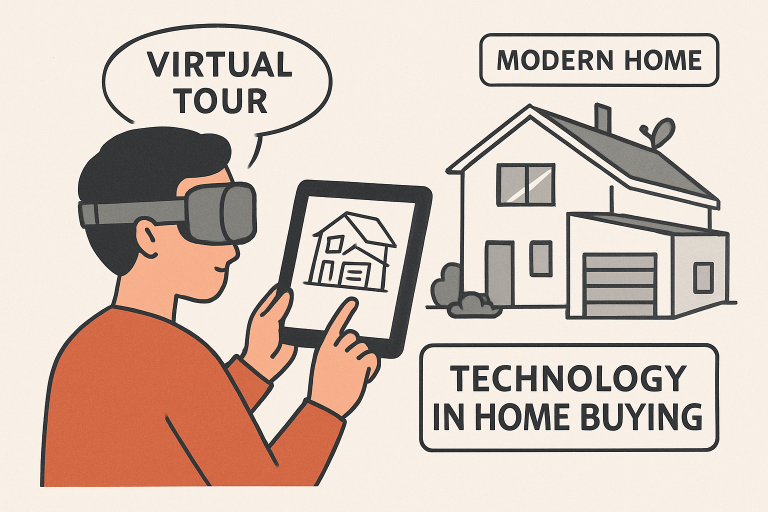
The digital transformation of the real estate industry is poised to continue its rapid trajectory. In 2026, virtual reality property tours and AI-assisted pricing recommendations are poised to become standard features in the buying process. These advances enable a richer, more immersive exploration of properties from a distance and provide actionable data that supports informed purchasing decisions. Homebuyers can confidently compare options, analyze market values, and streamline transactions, thereby reducing the stress and guesswork associated with traditional buying experiences.
Shift Towards Suburban and Secondary Markets
A notable trend for 2026 is the migration from dense urban hubs to suburban and secondary markets. With remote and hybrid work arrangements becoming increasingly common, homebuyers are prioritizing affordability, space, and overall quality of life. This movement broadens the scope of viable locations for buyers, catalyzing growth in communities once considered out of reach and fueling demand for high-quality homes outside traditional metropolitan areas. As reported by The New York Times' Real Estate section, this shift is reshaping the landscape of American living.
Emphasis on Sustainable and Smart Homes
The surge in buyer interest around sustainability and home automation continues to accelerate. Modern home seekers increasingly consider energy-efficient appliances, solar panels, and integrated smart systems to be must-haves rather than luxuries. These features reduce utility costs, support environmental goals, and add a layer of convenience that's quickly becoming an expectation. Builders and sellers who prioritize these upgrades are likely to see heightened interest and better resale values in the years ahead.
Increased Buyer Confidence
A more stable market environment and robust economic outlook have contributed to growing optimism among buyers. Many future movers now believe that 2026 presents an ideal opportunity for both buying and selling homes, reflecting elevated confidence that stands in contrast to recent hesitancy. Real estate professionals anticipate that this positive sentiment will translate into increased activity in both primary and investment property markets, reinforcing the broader trend of market normalization.
Continued Demand for Affordable Housing
Even with improvements in inventory and price stability, the challenge of affordable housing remains a central concern. The demand for reasonably priced homes far exceeds the available supply, particularly in urban cores and burgeoning suburban areas. Policymakers and developers are responding with innovative solutions—from expanded zoning for multifamily units to incentives for affordable home construction—aimed at ensuring housing accessibility across income brackets and demographics.
Final Thoughts
The 2026 home-buying landscape is defined by its stability, adaptability, and responsiveness to emerging buyer priorities. Stable prices, increasing inventory, technological advancements, and a commitment to sustainability provide buyers with an unprecedented opportunity to find homes that meet their evolving needs. By staying attuned to these trends, individuals can approach the market with confidence and clarity, positioning themselves for success in a rapidly transforming real estate environment.