 Online Clock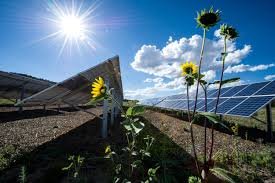
Sustainability is no longer just a buzzword—it has become a guiding principle for many businesses seeking to reduce environmental impact and build more responsible operations. In the cannabis industry, this is especially important given the high energy demands of cultivation, climate control, and lighting systems. Green dispensaries are at the forefront of this environmental movement, integrating renewable energy sources to lower carbon footprints, improve efficiency, and set new industry standards. These businesses understand that clean energy benefits more than the environment; it also enhances brand reputation, attracts eco-conscious customers, and reduces long-term operating costs. By embracing solar panels, innovative building technologies, and energy-efficient systems, green dispensaries are redefining how sustainable business practices can be implemented without sacrificing performance or product quality.
Reducing Energy Consumption Through Smart Facility Design
One of the first steps green dispensaries take in adopting renewable energy is redesigning or optimizing their facilities to reduce energy consumption. This begins by maximizing natural light to minimize the need for artificial lighting in retail and office areas. In cultivation spaces, dispensaries use LED grow lights, which consume significantly less electricity and produce less heat than traditional high-pressure sodium lamps. With lower heat output, the demand on cooling systems is also reduced. Proper insulation, reflective surfaces, and temperature zoning help regulate indoor climate more efficiently. Many dispensaries also use automation and smart sensors to control lighting, heating, and ventilation in response to real-time needs. This intelligent design ensures that renewable energy systems, such as solar panels, can support operations more effectively. Businesses like Green Dispensary Henderson show how energy efficiency measures, combined with renewable power sources, can increase sustainability while maintaining high-quality product environments. These structural and technological strategies create a foundation for long-term environmental responsibility.
Harnessing Solar and Wind Power for Sustainable Operations
Once energy consumption is reduced through efficient design, dispensaries turn to renewable sources to power daily operations. Solar energy is the most commonly adopted option, with many facilities installing rooftop panels or nearby solar arrays to capture clean energy from the sun. In regions with high sunlight exposure, solar can cover a significant portion of a dispensary’s electricity needs, including lighting and HVAC systems, point-of-sale equipment, and security systems. Some dispensaries supplement solar energy with battery storage, allowing them to retain extra power for cloudy days or nighttime use. In areas with favorable wind conditions, small-scale wind turbines may also be incorporated to diversify energy sources and increase reliability. By blending multiple forms of renewable energy, dispensaries build resilient power systems that reduce dependence on traditional utility grids. In the event of outages or peak energy demands, renewable systems offer stability and prevent costly disruptions. This strategic use of natural resources lowers greenhouse gas emissions and positions green dispensaries as leaders in environmental innovation.
Integrating Smart Energy Management Systems
Technology plays a key role in helping dispensaries manage renewable energy. Intelligent energy management systems monitor how much electricity is being used and where it is being consumed the most. These systems can automatically adjust lighting, temperature, and ventilation to balance comfort, efficiency, and cost. For example, during times of high solar production, a dispensary might schedule energy-intensive tasks such as equipment sterilization or climate adjustments. Energy dashboards allow managers to track performance in real time and identify areas for improvement. Some facilities even participate in demand response programs, reducing energy use during peak grid times in exchange for utility incentives.
Additionally, renewable energy systems can be connected to backup generators or batteries to ensure uninterrupted operations. By integrating technology with green energy, dispensaries create more intelligent, more responsive buildings that adapt to changing conditions while maintaining consistent product quality. This results in lower energy bills and a more efficient use of renewable resources, making sustainability both practical and profitable.
Sustainable Water and Waste Management for Complete Efficiency
Renewable energy is only one part of a broader sustainability strategy adopted by green dispensaries. Many also focus on water conservation and waste reduction to further minimize environmental impact. For cultivation, rainwater-harvesting systems capture rainwater that can be filtered and reused for irrigation. Drip irrigation and moisture sensors help deliver precise amounts of water to plants, preventing waste and promoting healthier growth. Greywater recycling systems allow dispensaries to reuse lightly used water for non-potable purposes. Waste reduction efforts include composting plant material, recycling packaging, and choosing biodegradable or reusable containers. Sustainable HVAC systems and dehumidifiers capture water from the air, which can also be reused. When paired with renewable energy, these conservation strategies ensure that dispensaries operate in harmony with the environment. By treating sustainability as a full-system approach rather than a single feature, green dispensaries become models of responsible business operations that others in the industry can follow.
Educating Customers and Leading Industry Change
Green dispensaries also understand the importance of transparency and education. By openly sharing their renewable energy efforts, they build trust with customers and inspire others in the community. Many dispensaries display solar energy data in-store or on their websites, showing exactly how much energy is being produced and saved. Some offer tours or informational sessions to teach customers about sustainability in cannabis production. This not only promotes environmental awareness but also encourages customers to support businesses that align with their values. In addition, sustainable practices can qualify dispensaries for green certifications or tax incentives, allowing them to reinvest in further improvements. As environmental regulations evolve, early adopters of renewable energy are better positioned to meet compliance requirements. Green dispensaries set a powerful example for the industry, demonstrating that sustainability and profitability can work together. By leading the movement toward greener operations, they help shape policies, influence manufacturers, and encourage more widespread adoption of renewable energy across the cannabis market.
A Greener Future Powered by Innovation
Green dispensaries are redefining what it means to be environmentally conscious in a high-energy industry. By integrating renewable energy, optimizing facility design, implementing innovative technology, and adopting sustainable resource management practices, they significantly reduce their environmental footprint while maintaining operational excellence. These efforts not only benefit the planet but also improve efficiency, cut long-term costs, and increase customer loyalty. As more dispensaries commit to sustainability, the industry moves closer to a future where clean energy and responsible practices are the standard rather than the exception. Through innovation and dedication, green dispensaries prove that environmental stewardship is both achievable and essential in modern business operations.