 Online Clock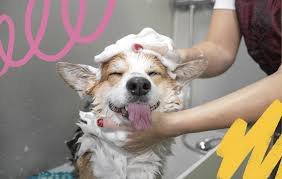
Grooming is an essential part of keeping your dog healthy, clean, and comfortable. Regular brushing, nail trimming, and bathing not only improve your pet's appearance but also help prevent common health problems such as skin infections, matted fur, and overgrown nails. However, not all dogs naturally enjoy grooming. Some may feel anxious or defensive, especially if they've had limited exposure to handling. Training your dog to remain calm during grooming requires patience, consistency, and positive reinforcement. With the right approach, grooming sessions can transform from stressful experiences into enjoyable bonding moments between you and your pet.
Creating Trust and Comfort Around Grooming Tools
The first step in helping your dog feel comfortable with grooming is to introduce the tools and environment positively. Many dogs fear grooming tools because of unfamiliar sounds or sensations. You can start by allowing your dog to sniff brushes, combs, and nail clippers without using them. Pair these introductions with treats, praise, and gentle petting so your dog associates the tools with rewards instead of fear. Gradually, you can touch the tools to their body without actually grooming them. This helps desensitize your dog to the objects and prepares them for real sessions. It's also helpful to choose quiet moments when your dog feels relaxed and calm. Over time, consistent exposure builds familiarity, which reduces anxiety. If you're unsure how to progress with this type of conditioning, searching for dog training near me can connect you with professionals who can demonstrate safe, positive methods for desensitization and grooming. Positive reinforcement is key—your dog learns that grooming means comfort, not stress.
Teaching Tolerance Through Touch
Before you can groom your dog successfully, they must first become comfortable being handled. Dogs that dislike having their paws, ears, or tails touched may struggle during grooming. Begin by slowly and gently handling different parts of your dog's body each day, rewarding them for calm behavior. For example, briefly touch their paw, give them a treat, and then release it. Gradually increase the duration and intensity of handling sessions as your dog grows more comfortable. This technique teaches your dog that being touched doesn't always mean something unpleasant will happen. It's also beneficial to practice mock grooming routines, such as pretending to brush or clean their ears, even when you're not performing actual maintenance. This helps your dog get used to the sensations and movements involved. Consistency and patience are crucial during this phase. The more familiar your dog becomes with gentle handling, the easier it will be for them to tolerate actual grooming procedures later on.
Reducing Fear of Clippers and Dryers
Sound sensitivity is a common issue for dogs during grooming sessions. The hum of clippers, the buzz of trimmers, or the roar of a hair dryer can make even the calmest pet uneasy. To help your dog adjust, start by playing recordings of these sounds at a low volume while rewarding them with treats or play. Once your dog appears relaxed, gradually increase the volume over several days. This desensitization process teaches them that grooming noises are not threats. You can also expose your dog to actual grooming tools while they're turned off, allowing them to sniff and investigate before introducing sound. When using clippers for the first time, start by turning them on nearby without touching your dog. Gradually move closer and eventually make brief contact, always rewarding calm behavior. Over time, your dog's anxiety around grooming tools will decrease, making professional or at-home grooming smoother and less stressful.
Making Grooming a Relaxing Routine
Dogs are sensitive to their surroundings, and the atmosphere you create during grooming has a major impact on how they behave. Choose a quiet, comfortable area with minimal distractions and a non-slip surface to help your dog feel secure. Soft lighting, gentle background music, or familiar scents can also help create a calming environment. Before grooming, take your dog for a walk or play session to burn off excess energy—this makes them more relaxed and cooperative. It's also important to remain calm yourself, as dogs easily pick up on human emotions. If you're tense or impatient, your dog will sense it and become uneasy. Reward your dog frequently during grooming to reinforce good behavior. Keep sessions short at first, gradually increasing their duration as your dog becomes more comfortable. Establishing a consistent routine helps your dog anticipate and adjust to grooming, turning it into a normal, predictable part of their life rather than a stressful event.
Encouraging Cooperation Through Rewards
Positive reinforcement is one of the most effective ways to encourage your dog to enjoy grooming. This technique involves rewarding calm and cooperative behavior rather than punishing resistance. Use treats, praise, or gentle petting whenever your dog allows brushing, trimming, or bathing without protest. Timing is important—deliver the reward immediately after the desired behavior so your dog can make the connection. Gradually, your dog will associate grooming with good experiences. If your dog becomes anxious or restless, take a short break rather than forcing them to continue. Forcing a dog during grooming can create negative associations that make future sessions harder. Over time, your dog will begin to approach grooming with anticipation rather than fear. The goal is to make grooming feel like a series of positive, rewarding interactions that strengthen the bond between you and your dog while promoting good hygiene and health.
Building Confidence Over Time
Training a dog to be comfortable with grooming is a gradual process that requires consistency and patience. Dogs learn through repetition and familiarity, so practicing regularly is essential. Even short, daily grooming sessions can help reinforce positive habits and desensitize your dog to handling and noise. Consistency also helps your dog build trust, as they learn that grooming always follows a calm and predictable routine. Some dogs may take longer to adjust due to their temperament, age, or previous experiences, but persistence will pay off. Celebrate small successes—each moment of calm cooperation is a step forward. If your dog struggles with certain aspects of grooming, such as nail trimming or ear cleaning, address one challenge at a time rather than overwhelming them. Patience is crucial; rushing the process can set back progress. By maintaining a calm, steady approach, you teach your dog that grooming is a normal and comfortable part of their life.
Helping your dog become comfortable with grooming takes time, understanding, and dedication. By using gentle handling, positive reinforcement, and consistent routines, you can transform grooming into a peaceful and even enjoyable experience for both you and your pet. Building trust through gradual exposure helps eliminate fear and ensures your dog feels secure during every session. A calm environment, patience, and regular practice are key to lasting success. When approached thoughtfully, grooming becomes more than just maintenance—it becomes an opportunity to strengthen your bond and contribute to your dog's overall well-being and happiness for years to come.