 Online Clock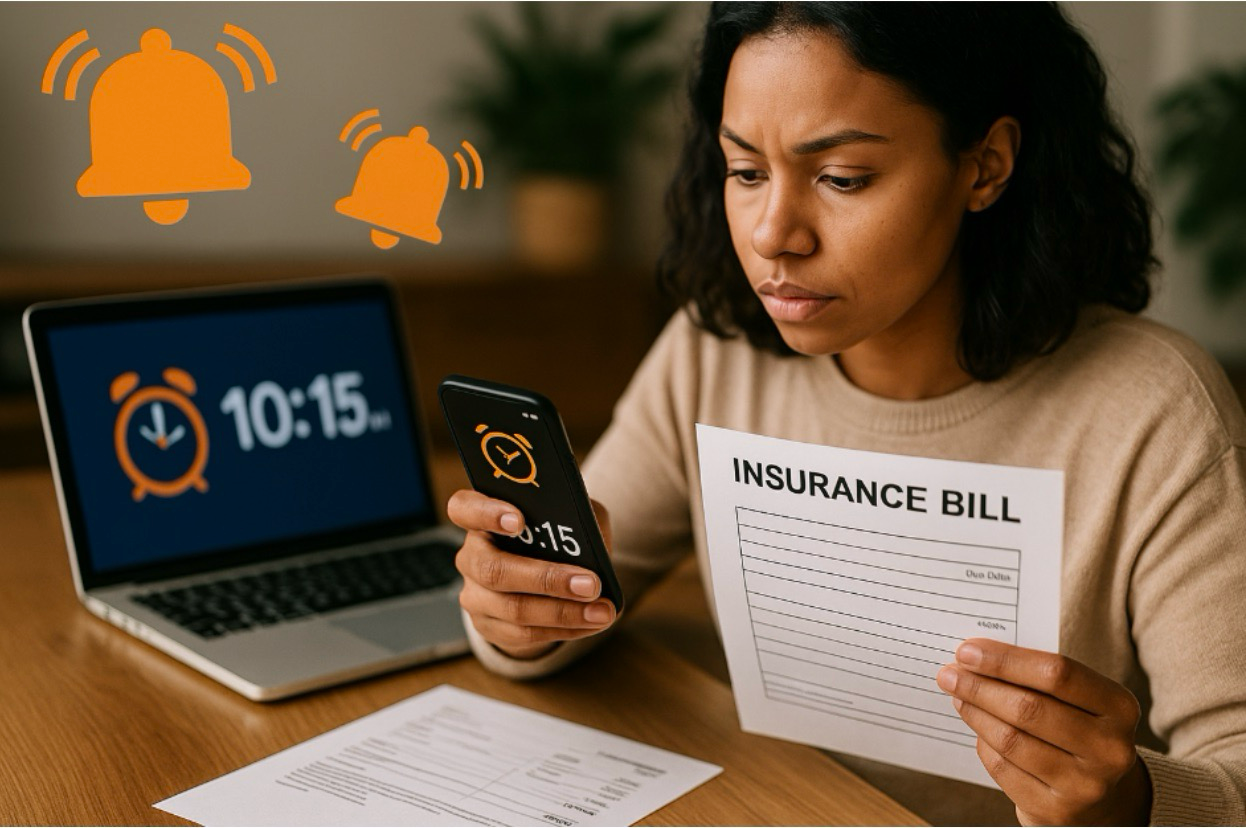
Most people don’t lose coverage because they want to take risks. They lose coverage because they lose track of time.
A busy week, a forgotten email, a payment that “I’ll do later” — and suddenly your insurance policy has lapsed. That small timing mistake can turn into big problems: higher premiums, fees, or even being uninsured when you need protection most.
If you’re already using online clocks and alarms to manage your day, you’re only one step away from using those same tools to protect something much bigger: your financial safety net. In this article, we’ll look at why timing matters so much for insurance, how inflation and life changes affect your premiums, and how simple alarms and routines can keep you covered.
Why On-Time Insurance Payments Matter So Much
Insurance is a promise that only works if you keep your side of the deal — paying on time.
When you fall behind on payments, even for a short period, several things can happen:
- Coverage lapse: Your policy stops protecting you after a certain date.
- Reinstatement fees: The insurer may charge extra to restore your coverage.
- Higher future premiums: Gaps in coverage often make you look riskier.
- Bad timing during an accident: The worst-case scenario is having a claim when your policy has already expired.
What makes this tricky is that the danger rarely feels urgent. You don’t see the risk the way you see a flat tire or a broken screen. Instead, it’s hidden in dates, notices, and fine print.
That’s why time management — not just money management — is a key part of staying properly insured.
Autopay vs. Manual Payments: Which Fits Your Life?
Most insurers give you two main ways to pay:
- Autopay (automatic payments): Money is taken from your card or bank account on a set date.
- Manual payments: You log in or pay by phone/in person each month.
If you’re comfortable with autopay and always have enough funds, it’s usually the easiest way to avoid missing a payment. But not everyone likes it. Maybe you:
- Want to check your account before every charge.
- Have irregular income and need to control exactly when money leaves your bank.
- Prefer to split payments or move money between accounts first.
In that case, manual payments + smart alarms can be a safer, more flexible option.
Here’s a quick comparison:
| Method | Pros | Cons | Best for… |
|---|---|---|---|
| Autopay | Hands-off, no dates to remember | Risk of overdraft if balance is low | Stable income, “set it and forget it” people |
| Manual payments only | Full control over each payment | Easy to forget the due date | People who check bills daily |
| Manual + digital alarms | Control and reminders before the due date | Requires a bit of setup and planning | Busy people who dislike autopay |
If you choose the manual + alarms route, your time tools become your best defense against forgotten payments.
Turning Your Online Clock into a “Payment Guardian”
An online clock or alarm tool isn’t just for waking up. Used right, it can structure your entire bill-paying routine. Here’s a simple system you can adapt:
1. Choose a “Money Day” Each Month
Pick one or two days every month where you handle all important bills (insurance, utilities, phone, rent, etc.). For example:
- Money Day: The 5th and the 20th of each month.
On those days, you log in, check balances, and make payments.
2. Set Recurring Alarms
Use an online alarm or timer to remind you of your Money Day:
- A monthly alarm on the 3rd: “Check upcoming insurance payments.”
- Another alarm on the 5th: “Pay auto/home/RV insurance today.”
The first alarm is a soft reminder. The second is the action trigger.
3. Add Pre-Due-Date Alerts
Look at your insurance bill and find the exact due date. Then set alarms:
- 7 days before due date: “Insurance payment coming up. Move money if needed.”
- 2 days before: “Last chance to pay before coverage risk.”
These alerts give you time to move money, avoid overdrafts, and stay calm.
4. Use Timers to Stay Focused
When it’s time to pay, set a 20-minute timer to do nothing but:
- Log in to your insurance portal.
- Check that all policies are active.
- Pay anything due in the next two weeks.
Knowing there’s a clear start and end time makes it easier to stop procrastinating.
Inflation, Rising Premiums, and Why Timing Still Matters
Even if you always pay on time, you’ve probably noticed one thing: premiums tend to creep up.
Inflation raises the cost of repairs, labor, and materials, so insurers need more money to cover claims. If you want to understand this better, articles like an in-depth explanation of why insurance premiums keep rising in an age of inflation can help you see the bigger picture, not just your own bill.
From a time-management angle, this means you need two different “clocks”:
- Short-term clock – To make sure each payment is on time.
- Long-term clock – To review your policies regularly and see if you can get a better deal.
A good habit is to add one yearly alarm called “Insurance Check-Up” around the same month each year. When that alarm goes off, you:
- Compare quotes from other insurers.
- Ask about discounts for safe driving, bundling, or low mileage.
- Adjust your coverage if your car, home, or lifestyle has changed.
That single yearly time block can easily save you hundreds of dollars.
Different Homes, Different Wheels, Different Insurance
Not all insurance is created equal. Your coverage needs change depending on how and where you live. For example, someone who spends most of their time traveling in an RV has different risks than someone living in a stationary mobile home.
Resources like a detailed insurance comparison between RVs and mobile homes explain how coverage, risks, and costs change depending on your situation. Reading this type of comparison is a great way to prepare before you:
- Buy an RV and start traveling.
- Move into a mobile home or manufactured home.
- Decide whether you need extra coverage for personal belongings on the road.
To stay organized, you can create a “research block” in your calendar:
- One 30–45-minute alarm-protected session where you do nothing but read, compare, and take notes on different insurance options.
- Another session to call agents or get quotes online.
By protecting that time with alarms, you’re less likely to keep saying “I’ll look into it later” and more likely to make informed, money-saving choices.
A Practical Weekly Plan to Get Your Insurance Under Control
If you feel behind or disorganized, here’s a one-week reset that uses simple time tools.
Day 1: Collect and Scan
- Set a 15-minute timer.
- Gather all insurance emails, letters, and apps (auto, home, RV, health, etc.).
- List due dates and current premiums in a note or spreadsheet.
Day 2: Build Your Reminder System
- In your online alarm or calendar, create:
- Monthly Money Days.
- Pre-due-date alerts (7 and 2 days before each due date).
- Test at least one alarm to be sure you’ll notice it (sound, notification, etc.).
Day 3: Clean Up Autopay & Accounts
- Review any existing autopay settings.
- Decide which bills you want on autopay and which you’ll handle manually.
- Set extra alarms for manual ones so nothing slips through.
Day 4: Read and Learn
- Schedule a 30-minute “learning session” with a timer.
- During that time, read about:
- Why premiums are rising (for example, inflation and claim costs).
- Differences between types of coverage or living situations (like RV vs mobile home).
Day 5: Call or Chat with Your Insurer
- Use a 20-minute timer.
- Ask about:
- Any discounts you might be missing.
- Ways to adjust coverage to fit your current budget and needs.
Day 6: Optimize and Decide
- Look at all your notes.
- Decide if you want to switch company, adjust coverage, or keep things as they are.
- Update your reminder system if due dates or amounts change.
Day 7: Set It and Protect It
- Add one recurring yearly “Insurance Check-Up” alarm.
- Confirm all monthly alarms are active.
- Relax — now time is working for you, not against you.
Final Thoughts: Time Is Your Silent Insurance Partner
Insurance can feel complicated and abstract, but the biggest risks often come down to something very simple: forgetting a date. When you combine clear information with smart use of clocks, alarms, and timers, you:
- Avoid lapses and late fees.
- Stay ahead of rising premiums by reviewing regularly.
- Make better decisions about the type of coverage that fits your life.
Your online clock isn’t just for waking you up in the morning. Used wisely, it becomes a quiet, reliable partner that helps you protect your car, your home, and your future — one reminder at a time.