 Online Clock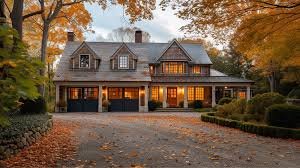
Carriage house designs have transitioned from their historical roots into versatile residential structures that serve modern needs. Originally built to house horses, carriages, and caretakers, these buildings now represent adaptable living and utility spaces that complement primary homes. Homeowners are increasingly drawn to carriage houses for their architectural charm, functional flexibility, and ability to add usable square footage without altering the main residence. Whether used as guest quarters, rental units, studios, or workspaces, carriage house designs balance tradition with contemporary living demands. Understanding how these structures are planned, designed, and integrated into residential properties helps homeowners appreciate their growing role in the thoughtful development of residential properties.
Design Elements and Planning Considerations
- Understanding the Design Process
Carriage house designs begin with careful planning that accounts for both aesthetics and functionality. Homeowners and designers evaluate the relationship between the main house and the proposed structure to ensure architectural harmony. Rooflines, exterior materials, window placement, and scale are chosen to complement existing buildings rather than compete with them. During this phase, designers also consider access points, privacy, and intended use. In many cases, carriage house designs for residential use are planned to blend seamlessly into neighborhoods while providing independent living or utility space. Early planning establishes a foundation that balances visual appeal with practical construction requirements, reducing the need for major changes later in the project.
- Historical Influence and Modern Adaptation
While carriage houses have historical origins, modern interpretations adapt these influences to current lifestyles. Traditional features such as pitched roofs, dormer windows, and symmetrical facades often remain, but interiors are redesigned to support modern living standards. Open floor plans, efficient kitchens, and updated bathrooms replace older storage-focused layouts. This balance allows homeowners to preserve their heritage while benefiting from modern comfort. Thoughtfully adapting historical inspiration ensures the structure feels intentional rather than outdated, making it suitable for long-term residential use.
- Functional Layouts for Everyday Living
Interior layouts play a major role in the success of carriage house designs. Since these structures often occupy smaller footprints, space efficiency is essential. Designers focus on multi-purpose rooms, vertical storage, and natural light to create comfortable environments. Stair placement, ceiling height, and room flow are carefully considered to avoid cramped interiors. When well planned, carriage houses can serve as fully independent living spaces or flexible extensions of the main home. These thoughtful layouts support daily activities while maintaining openness and comfort.
- Integration With Existing Properties
A key aspect of carriage house design is how the structure integrates with the main residence and the surrounding property. Placement on the lot affects privacy, accessibility, and use of outdoor space. Designers often align carriage houses near garages or at the rear of properties to minimize visual impact from the street. Landscaping, walkways, and lighting further connect the new structure to existing outdoor areas. Proper integration ensures the carriage house feels like a natural extension of the property rather than an afterthought, enhancing overall site cohesion.
- Material Selection and Construction Approach
Material choices influence both durability and appearance. Carriage house designs commonly use materials that echo the main home, such as matching siding, roofing, or trim details. Builders also consider energy efficiency, insulation, and long-term maintenance when selecting materials. Construction methods must account for structural integrity, local building codes, and climate conditions. By aligning material selection with design intent, homeowners achieve a balance between visual consistency and practical performance that supports the structure’s longevity.
- Zoning, Permits, and Compliance
Before construction begins, carriage house projects must comply with local zoning regulations and building codes. These rules may govern height limits, setbacks, occupancy, and utility connections. Designers and builders work together to ensure plans meet regulatory requirements while still achieving homeowner goals. Navigating these approvals early helps avoid delays and costly revisions. Compliance ensures that the finished structure can be used legally and safely for its intended purpose.
- The Role of Privacy and Independence
One of the primary appeals of carriage house designs is the level of independence they offer. Whether used for guests, extended family, or rental purposes, these structures provide separation from the main home while remaining close. Designers incorporate private entrances, sound insulation, and thoughtful window placement to enhance autonomy. This separation supports comfortable co-living arrangements without compromising privacy for either household.
- Long-Term Value and Property Impact
Carriage houses can add long-term value to residential properties by increasing usable space and flexibility. While not every homeowner uses a carriage house in the same way, its adaptability makes it appealing to future buyers. Their presence can support changing needs over time, such as housing adult children, accommodating caregivers, or creating work-from-home environments. This versatility contributes to sustained property relevance in evolving housing markets.
Carriage house designs represent a thoughtful blend of historical character and modern functionality. Through careful planning, design coordination, and integration with existing properties, these structures provide adaptable living and utility spaces that meet diverse residential needs. From layout efficiency to material selection and regulatory compliance, each phase of the process contributes to a successful outcome. As homeowners continue seeking flexible housing solutions, carriage house designs offer a balanced approach that enhances property use without altering the primary residence. Their enduring appeal lies in their ability to adapt over time while maintaining architectural harmony and practical value.