 Online Clock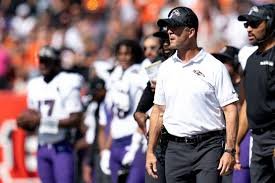
In a league defined by speed, precision, and strategy, NFL coaches stand at the center of team success. While players execute the plays and generate the highlight moments, coaches shape the identity, culture, and direction of an entire organization. Their leadership affects everything from locker room morale to long-term development and playoff performance. The NFL is filled with examples of how coaching excellence can turn struggling franchises into contenders and keep winning teams at the top.
Fans often discuss rosters, star players, and even sports betting trends when evaluating how a team will perform, but coaching decisions influence nearly every outcome. A coach’s philosophy affects offensive rhythm, defensive toughness, and how the team responds to pressure. Whether designing game plans or managing personalities, coaches play a crucial role in keeping athletes focused and prepared throughout the season.
Setting the Foundation through Culture
A successful NFL coach begins by establishing a strong team culture. This foundation guides behavior during both winning streaks and tough stretches. Coaches who excel at culture building earn deep respect from their players. They inspire accountability, discipline, and trust, which helps teams perform consistently. Examples can be seen across the league, where well-led teams demonstrate unity and resilience even when facing adversity.
Players often emphasize how leaders like Mike Tomlin, John Harbaugh, and Andy Reid maintain steady environments where athletes feel supported yet challenged. These cultures minimize distractions and help younger players grow with confidence. Stability within the coaching staff also gives teams an advantage, as players thrive under systems that remain consistent year after year.
Strategic Mastery and Game Planning
Every week in the NFL presents new challenges, and coaches must construct game plans that maximize strengths while exploiting opponent weaknesses. This strategic work is essential for success. Coaches break down hours of film to identify tendencies in blocking schemes, coverage patterns, and offensive formations. What fans see on Sundays reflects a week of calculated preparation.
Great coaches adapt quickly. They adjust during in-game situations, finding ways to counter unexpected opponent strategies. The ability to pivot is especially important in playoff matches, when opponents study each other intensely. The NFL’s top minds are known for outthinking even the strongest rosters through creativity and bold decision-making.
Developing Quarterbacks and Key Positions
Coaching has an enormous impact on player development, especially at the quarterback position. Many of the league’s most successful QBs thrived under coaches who understood how to shape their mechanics, decision-making, and confidence. Pairings like Bill Belichick with Tom Brady, Sean Payton with Drew Brees, and, more recently, Kyle Shanahan with his quarterbacks, demonstrate the transformational effect of strong coaching.
Beyond quarterbacks, coaches influence growth across the roster. Skill positions like receivers, running backs, and defensive backs depend on detailed coaching for route precision, footwork, and technique. Great teams tend to have strong position coaches who contribute to player development and support the head coach’s broader vision.
Motivation and Leadership
Beyond strategy, NFL coaches must motivate players to perform at their highest level. A season can stretch physically and mentally, requiring coaches to maintain morale through travel, injuries, and tough losses. Strong communicators excel here, using clarity and honesty to motivate without overwhelming.
Leadership also appears in smaller moments. Coaches must know when to push players harder and when to offer support. The modern NFL requires a balance between old-school toughness and an understanding of the emotional and mental challenges players face. Successful coaches read their locker rooms well and adjust their approach accordingly.
Building Staff and Delegating Effectively
Great head coaches understand they cannot do everything alone. They build strong coaching staffs that include coordinators, assistants, analysts, and specialists. Delegation ensures that every position group receives focused instruction. Many rising NFL coaches got their start under well-structured coaching trees, proving how essential staffs are to competitive success.
Delegation also prevents burnout. Coaches who trust their staff can stay focused on leading the team rather than micromanaging every detail. This balance contributes to long-term stability and sustained success.
Longevity and Adaptability
The NFL changes constantly. Rule adjustments, new offensive trends, and evolving player skill sets require coaches to adapt. Coaches who rely too heavily on old systems can fall behind quickly. The most successful leaders adjust their playbooks, embrace analytics, and evolve their philosophies.
Longevity in coaching often comes down to maintaining this adaptability. Leaders like Andy Reid and Pete Carroll modernized their systems repeatedly to keep up with league changes. Their willingness to innovate helped their teams stay competitive across multiple eras.
NFL coaches are central to team success. They shape culture, orchestrate strategy, develop talent, motivate players, and steer organizations through the highs and lows of each season. While star players may be the ones making plays, coaches provide the foundation that supports every victory. Their influence echoes across the league, proving that leadership at the top is one of the most powerful factors in building winning teams.