 Online Clock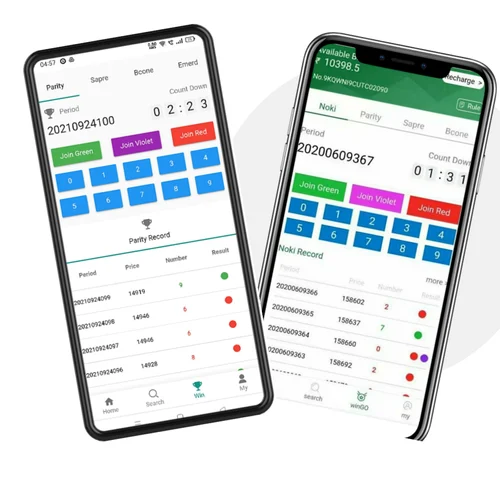
Online color prediction platforms have become a widely recognized form of digital entertainment, offering players the thrill of chance-based outcomes and instant gratification. While the mechanics of these games are simple, the concept of “fair play” is far more complex and deeply significant. Fair play is not just about ensuring that outcomes are random; it encompasses transparency, accountability, and respect for the player’s experience. Understanding what fair play means in this context helps both players and platforms recognize the ethical and practical foundations that sustain trust and engagement.
Defining Fair Play
Fair play in online color prediction platforms refers to the assurance that every participant has an equal opportunity to succeed, free from manipulation or bias. It is the principle that outcomes are determined by genuine randomness rather than hidden algorithms designed to favor the platform. Fair play also extends to how rules are communicated, how rewards are distributed, and how players are treated. It is a holistic concept that combines fairness in outcomes with fairness in the overall user experience.
Randomness and Integrity
At the heart of fair play lies randomness. Players must trust that each prediction is independent and unaffected by previous outcomes. Platforms achieve this through the use of random number generators, which simulate unpredictability and ensure that no player can gain an unfair advantage. Integrity in randomness is essential, as even the slightest bias undermines confidence. Fair play requires platforms like 55 game to maintain and demonstrate the integrity of their systems, often through independent audits or transparent disclosures.
Transparency in Rules and Outcomes
Fair play is inseparable from transparency. Players must be able to understand the rules of the game, the mechanics of prediction, and the conditions under which rewards are granted. When rules are hidden, vague, or overly complex, players may feel misled or exploited. Transparency ensures that participants know exactly what they are engaging in, reducing suspicion and fostering trust. Platforms that openly communicate their processes embody the spirit of fair play by respecting the player’s right to clarity.
Respecting Player Rights
Fair play also involves respecting player rights. This includes secure handling of deposits, timely distribution of winnings, and protection of personal data. Players must feel confident that their financial and personal information is safeguarded. Respect extends to providing accessible customer support and fair dispute resolution mechanisms. When platforms prioritize player rights, they demonstrate accountability and reinforce the principle that fair play is not only about outcomes but also about the broader relationship between platform and user.
Avoiding Manipulative Practices
Fair play requires platforms to avoid manipulative practices that exploit player psychology. Features such as exaggerated promotions, misleading visuals, or hidden fees erode trust and compromise fairness. While gamification can enhance engagement, it must not cross the line into manipulation. Platforms that design responsibly ensure that players are entertained without being deceived. This balance between engagement and ethics is central to the meaning of fair play.
Building Trust Through Accountability
Trust is the ultimate product of fair play. Players remain loyal to platforms that demonstrate accountability, whether through compliance with regulations, independent audits, or transparent communication. Accountability reassures players that the platform operates with integrity and values their participation. Without accountability, fair play becomes an empty promise. Platforms that embrace responsibility strengthen their credibility and secure long-term success.
Conclusion
The meaning of “fair play” in online color prediction platforms extends far beyond the randomness of outcomes. It encompasses transparency, respect for player rights, avoidance of manipulation, and accountability. Fair play is the foundation of trust, ensuring that players feel valued and protected while engaging in chance-based entertainment. Platforms that uphold fair play not only sustain their credibility but also create environments where players can enjoy the thrill of prediction responsibly. In the evolving digital landscape, fair play remains the guiding principle that distinguishes legitimate platforms from those that compromise integrity.