 Online Clock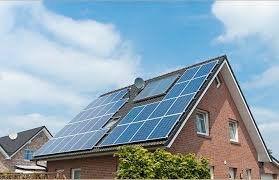
Imagine a power plant on your roof. This plant generates clean electricity, shields your home from the elements, and slashes your utility bills for decades. This is the reality of a solar roof. More than just an alternative energy source, this technology represents a profound shift in how homeowners manage their most significant expense.
It transforms a house from a passive consumer into an active power generator. The initial investment can seem substantial. However, they reduce long-term energy costs and thus paint a compelling picture of independence and significant cost reduction.
The Initial Investment Explained
The upfront cost of a solar roof is its most discussed aspect. This price includes the solar tiles, power converters, and professional installation. These integrated systems replace traditional roofing materials. Therefore, the cost reflects both a new roof and a power generation system. Many governments offer tax credits and rebates to offset this initial expense. These incentives can reduce the net cost by a considerable margin. Financing options like loans also make the purchase more accessible. Homeowners can view this cost as a prepayment for decades of future electricity.
The Mechanism of Monthly Savings
A solar roof starts saving money from its first day of operation. It converts sunlight into direct current electricity. An inverter then changes this into usable alternating current for the home. This power runs appliances, lights, and heating systems. Any excess energy not used immediately does not go to waste. This surplus can be sent back to the local power grid. Many utility companies provide credits for this exported energy through net metering programs. These credits further reduce, or sometimes eliminate, the monthly electric bill.
Protection Against Rising Energy Prices
Utility rates have a historical trend of increase. Fossil fuel costs and grid maintenance expenses contribute to this upward climb. A homeowner with a solar roof gains a powerful shield against these hikes. Their personal power plant locks in a fixed energy cost for the life of the system. This cost is effectively zero after the system pays for itself. This budget predictability is a significant financial advantage. It provides peace of mind in an uncertain economic climate. The homeowner becomes immune to the volatility of the traditional energy market.
Durability and Added Home Value
Solar roofs are built to last. They are designed to withstand harsh weather conditions like hail and high winds. Many come with extensive warranties that cover 25 years or more. This longevity means the roof provides value long after the system pays for itself. Additionally, a home with a solar roof typically sees a rise in its market value. Studies show buyers are willing to pay a premium for a house with low operational costs. This investment enhances the property's resale potential. It is an upgrade that pays for itself twice, through savings and equity.
The Environmental Dividend
The financial benefits exist alongside a positive environmental impact. Solar roofs generate electricity with zero emissions. They do not produce air pollution or greenhouse gases. This clean energy output helps combat climate change. It also reduces the home's reliance on power plants that burn coal or natural gas. Every kilowatt-hour from the sun is a direct contribution to a healthier planet. This allows homeowners to save money while supporting a sustainable future. The environmental benefit is a valuable, non-monetary return on the investment.
A solar roof is a strategic decision for long-term financial health. The journey begins with an initial investment that is mitigated by incentives. It helps reduce long-term energy costs on electricity bills. Combined with the clear environmental advantages, the case for solar roofs becomes extreme. Homeowners are not just buying a roof. They are securing a stable, predictable, and lower cost of living for years to come.