 Online Clock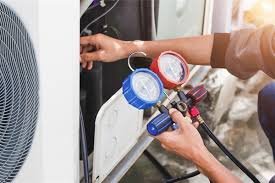
Air conditioners are designed to provide consistent comfort, especially during periods of intense heat, yet they are complex systems that rely on many interconnected parts. Over time, wear, environmental exposure, and usage patterns can cause certain components to degrade or malfunction. Breakdowns rarely happen without warning; they usually result from small issues that accumulate over time. Understanding the most common causes of air conditioner breakdowns helps homeowners and property managers recognize early signs of trouble and make informed decisions about care. When these causes are understood, it becomes easier to reduce downtime, prevent costly disruptions, and maintain dependable cooling throughout the year.
Why AC Systems Fail Over Time
- Lack of Routine Maintenance
One of the leading causes of air conditioner breakdowns is inconsistent or skipped maintenance. Over time, dust and debris accumulate on internal components, reducing efficiency and placing added strain on the system. Filters that are not replaced regularly restrict airflow, forcing the unit to work harder to cool the space. Coils covered in grime struggle to transfer heat effectively, leading to overheating and eventual shutdowns. Many homeowners only seek AC repair services in Aubrey, TX, after the system stops working, but the root cause often traces back to neglected maintenance. Regular inspections allow technicians to clean, adjust, and identify early signs of wear, preventing minor issues from escalating into major breakdowns that interrupt comfort when cooling is needed most.
- Airflow Restrictions and Imbalance
Air conditioners rely on steady airflow to function correctly. When airflow is restricted, the system cannot remove heat efficiently, which can trigger a range of problems. Blocked vents, collapsed duct sections, or clogged filters reduce airflow through the system. This imbalance causes the evaporator coil to become too cold, sometimes leading to ice formation that further restricts airflow. As the system struggles to compensate, components such as the compressor experience added stress. Over time, this strain increases the likelihood of failure. Proper airflow is not only about comfort; it directly affects the system's mechanical health and its ability to operate without interruption.
- Electrical and Control Issues
Electrical components play a central role in the operation of air conditioners. Wiring, capacitors, contactors, and control boards work together to manage system startup and shutdown cycles. Over time, vibrations, heat, and electrical load can loosen connections or degrade components. A failing capacitor may prevent the compressor or fan motor from starting, while worn contactors can interrupt power flow. Control issues may cause erratic cycling, placing unnecessary strain on motors and compressors. Because electrical problems often develop gradually, they can be difficult to detect without professional evaluation. Left unaddressed, these issues increase the risk of sudden breakdowns during peak usage periods.
- Refrigerant-Related Problems
Refrigerant plays a crucial role in the cooling process, absorbing and releasing heat as it circulates through the system. Low refrigerant levels, often caused by leaks, reduce cooling capacity and force the system to run longer cycles. This extended operation increases wear on critical components. Leaks may develop due to corrosion, vibration, or manufacturing defects, and they rarely resolve on their own. Operating an air conditioner with incorrect refrigerant levels can also cause pressure imbalances that damage the compressor. Addressing refrigerant issues promptly helps protect the system from unnecessary stress and preserves its ability to cool effectively.
Regular maintenance is crucial to prevent unexpected air conditioner breakdowns. By scheduling routine check-ups, you can ensure that your system runs efficiently and identify potential issues before they escalate. For those in need of expert assistance, Sandhills Heating, Refrigeration & Electrical offers comprehensive services to keep your air conditioning unit in top condition. Their team of skilled technicians can help diagnose problems early, ensuring your home remains comfortable throughout the year. Investing in professional maintenance not only extends the lifespan of your unit but also enhances its performance, ultimately saving you money on energy bills and costly repairs.
- Environmental and Usage Factors
External conditions and usage habits significantly influence air conditioner reliability. Systems operating in dusty environments or areas with heavy pollen exposure face higher contamination risks. High outdoor temperatures increase workload, especially if the system is undersized for the space. Frequent on-and-off cycling, often caused by improper thermostat placement or inconsistent usage patterns, accelerates wear on electrical and mechanical parts. Even changes within the building, such as added insulation or renovations, can alter cooling demands. Understanding how environmental factors interact with system design helps explain why breakdowns may occur even in relatively new equipment.
- Warning Signs Often Overlooked
Air conditioners typically show warning signs before a complete failure. Unusual noises, inconsistent cooling, increased energy bills, or longer run times often indicate developing problems. Ignoring these signals allows issues to worsen, increasing repair complexity and cost. For example, a minor airflow restriction may initially cause temperature imbalances but, if left unresolved, can eventually lead to compressor damage. Recognizing and responding to early symptoms reduces the likelihood of unexpected shutdowns and supports more predictable system performance.
- The Role of Professional Inspections
Professional inspections provide insight into system health beyond surface-level observations. Technicians assess airflow, electrical integrity, refrigerant levels, and mechanical condition during these visits. They also identify patterns that indicate future risks, enabling preventive action. Inspections provide an opportunity to correct small issues under controlled conditions rather than during emergencies. This proactive approach not only reduces the chance of breakdowns but also supports smoother operation throughout the cooling season.
- When Small Issues Become Major Failures
Many air conditioner breakdowns occur because minor issues are left unaddressed. A dirty filter restricts airflow, causing coil freezing and stressing the compressor. Each step builds on the last, transforming a simple maintenance task into a significant repair. Understanding this chain reaction highlights why timely attention matters. Addressing problems early interrupts this progression, preserving system components and maintaining consistent cooling.
Air conditioner breakdowns are rarely sudden or unavoidable. They usually result from a combination of maintenance gaps, airflow challenges, electrical wear, and environmental factors. By understanding these common causes, property owners can recognize early warning signs and take action before failures occur. Consistent care, prompt evaluation of unusual behavior, and attention to operating conditions all contribute to system reliability. Awareness transforms air conditioning from a reactive concern into a manageable part of home comfort, reducing disruptions and supporting dependable cooling over time.