 Online Clock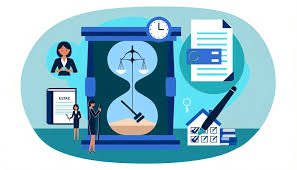
Probate is often framed as a legal checkpoint, something that happens quietly in the background while life continues. In reality, probate can interrupt momentum across many areas of modern living, from home improvement projects and business operations to education plans and personal development goals. The process is orderly and intentional, yet it does not always align with how people build, invest, or move forward in real time.
Understanding how probate delays ripple through practical projects helps explain why timing, rather than asset value, becomes the central challenge for many beneficiaries.
Construction Projects Caught in the Middle
Home improvement and construction are especially sensitive to timing. Renovations often follow a schedule tied to contractor availability, material delivery, and permitting windows. When a property becomes part of an estate, probate can temporarily limit who has authority to approve work, release payments, or sign contracts.
Imagine a renovation already underway when probate begins. Contractors still expect payment. Materials may already be ordered. Pausing work can increase costs or create safety concerns, particularly if a property is left partially finished.
Even smaller projects, roof repairs, plumbing upgrades, or safety modifications, can become complicated if estate funds are inaccessible. Probate does not prevent necessary maintenance, but it can slow approvals and reimbursements, which affects how smoothly projects move forward.
Safety and Security Considerations
Properties in probate often sit vacant or underused. That creates real safety concerns. Unfinished construction, delayed repairs, or lack of routine maintenance can lead to hazards. Insurance coverage usually remains active, but insurers may require updates or documentation once ownership status changes.
From a security standpoint, vacant homes may need monitoring, lighting, or repairs to prevent damage. These measures cost money and require coordination. When access to estate funds is delayed, decisions about safety improvements can feel more urgent than the legal process allows.
Understanding this dynamic helps explain why probate related financial planning often focuses on immediate, practical needs rather than long term wealth transfer.
Business Operations and Industrial Assets
Probate does not only affect residential property. Business assets, machinery, vehicles, or industrial equipment may also be part of an estate. If these assets are essential to ongoing operations, delays can disrupt productivity.
For example, a small manufacturing setup or rental equipment business may rely on timely maintenance and replacement parts. If probate restricts access to operating funds, routine upkeep can be postponed, which may affect safety and efficiency.
Executors can sometimes continue business operations with court approval, but the process requires documentation and time. During that window, cash flow interruptions can influence decisions across the business.
Technology, Software, and Subscriptions
Modern projects often rely on software licenses, cloud services, and digital tools. These services typically renew automatically. If probate freezes accounts or payment methods, subscriptions may lapse, interrupting workflows.
This matters for everything from project management software used by contractors to security systems protecting vacant properties. Restarting services after a lapse can take time and effort, adding friction to an already complex situation.
Keeping track of digital obligations during probate is now as important as managing physical assets.
Personal Development and Education Plans
Probate can also affect plans that are less tangible but equally important. Education programs, professional certifications, or training courses often require upfront payment. If a beneficiary planned to use inheritance funds for these goals, delays may force postponement.
Personal development does not pause easily. Momentum matters. When probate slows access to resources, it can feel like progress is on hold, even though the value exists on paper.
Recognizing this emotional and practical impact helps explain why people seek clarity around timing early in the process.
Lifestyle Commitments and Financial Gaps
Lifestyle commitments often intersect with probate in unexpected ways. Fitness programs, wellness treatments, vehicle leases, or event rentals may have ongoing costs. These expenses do not qualify as estate administration costs, yet they remain part of daily life.
Covering these commitments during probate often requires personal funds, at least temporarily. For some beneficiaries, that is manageable. For others, it creates pressure, especially when probate extends longer than expected.
This gap between obligation and access is where conversations about Probate Funding sometimes arise. The focus is not on increasing wealth, but on bridging timing differences created by the legal process.
The Legal Framework Behind the Delay
Probate delays are not arbitrary. Courts follow statutory requirements designed to protect creditors, heirs, and the integrity of asset transfers. Notices must be given. Claims must be reviewed. Documents must be verified.
While this structure ensures fairness, it does not account for project deadlines or contractor schedules. Understanding that distinction helps set realistic expectations.
Executors often balance legal compliance with practical problem solving, deciding which expenses are essential and which can wait. Clear records and communication make this balancing act easier.
Communication Keeps Projects Moving
Open communication with contractors, service providers, and partners can reduce friction during probate. Explaining that payments may be delayed due to court processes helps manage expectations and maintain relationships.
In some cases, service providers may adjust schedules or payment terms when they understand the context. This flexibility is not guaranteed, but transparency often leads to better outcomes than silence.
Beneficiaries who stay informed and engaged tend to navigate probate related disruptions more smoothly.
Planning Ahead for Active Estates
Estates that include active projects benefit from planning that anticipates probate delays. Clear documentation of ongoing obligations, project timelines, and contact information helps executors act efficiently.
For property owners, organizing contracts, permits, and service agreements reduces confusion later. For beneficiaries, maintaining a financial cushion during probate provides breathing room.
These steps do not eliminate delays, but they soften their impact on progress.
A Broader View of Progress and Patience
Probate is often associated with endings, but it also sits at the beginning of new phases, renovated homes, continued businesses, completed education goals, and personal growth. The challenge lies in managing the pause between those phases.
By understanding how probate interacts with projects, safety, and momentum, beneficiaries and executors can approach the process with greater patience and clarity. Life continues, even when courts move slowly.
Seeing probate as a structured pause rather than a permanent stop allows planning to resume, projects to continue thoughtfully, and progress to pick up once legal milestones are met.