 Online Clock
Key Takeaways
- High-value roles have significant strategic impact, drive revenue, and influence company growth.
- Analyzing cost versus benefit is essential to optimizing investment in key positions.
- Staying updated on market trends ensures recruitment decisions align with industry direction.
- Balanced investment in talent across the organization prevents inefficiencies.
Introduction
In a rapidly evolving economic climate, knowing when to invest more in hiring for high-value roles is a defining factor for organizational competitiveness. Leading companies understand that recruiting for certain key positions may require a larger investment, not just in salary but in sourcing, onboarding, and development costs—all components of overall recruiting cost.
The modern job market is characterized by a scarcity of specialized skills, making it crucial to identify high-value roles correctly. Failure to do so may result in missed growth opportunities and decreased organizational momentum. Besides, a comprehensive analysis of hiring costs for such roles can contribute to data-driven decisions that maximize returns over time.
Organizations that excel at this type of strategic talent management often see exponential gains in innovation, leadership, and revenue generation. According to Harvard Business Review, companies that prioritize the right talent experience higher overall performance and cultural resilience.
Focusing investments on high-value roles doesn't just attract better candidates—it gives companies an edge as industries pivot and change. Recognizing where greater investment in people will yield the greatest strategic benefit places organizations on a path for sustainable growth.
High-value roles are those positions within the company that align closely with achieving core objectives. These roles might include team leaders, technical experts, business development specialists, or others with the expertise to drive transformation.
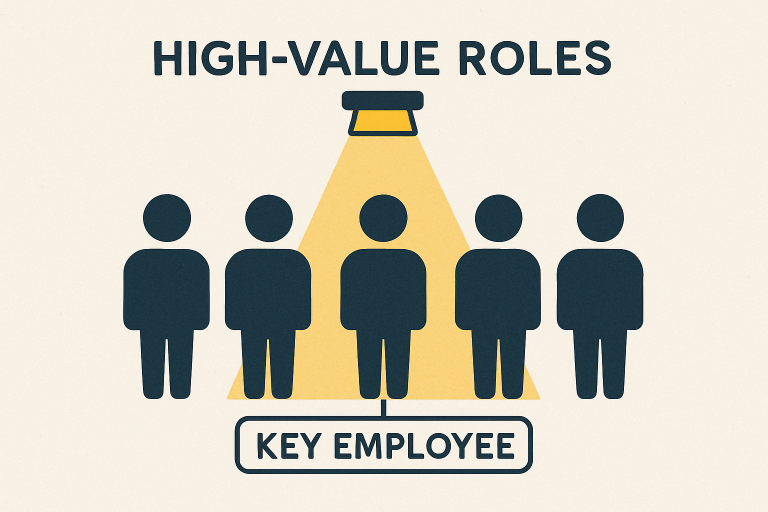
Indicators of High-Value Positions
- Strategic Impact: Roles that contribute to steering the company’s vision, setting priorities, or influencing important business decisions.
- Revenue Generation: Positions that drive sales, client acquisition, expansion into new markets, or recurring business.
- Innovation and Growth: Positions focusing on creative problem solving, product development, research, or entering untapped markets.
- Leadership and Culture: Roles that shape the fabric of workplace culture, lead high-performing teams, and ensure organizational alignment.
Identifying these indicators helps organizations focus on which hires truly warrant additional investment. According to Forbes, businesses prioritizing high-impact contributors experience faster and more sustainable growth.
Assessing the Cost-Benefit of Investing in High-Value Roles
Judiciously investing in high-value roles requires carefully assessing potential returns versus costs. Factors to weigh include the position’s influence on revenue, its ability to create operational efficiencies, and the risk of turnover if compensation or development is lacking. For instance, hiring a highly experienced product lead may require a higher upfront cost but can propel product launches, reduce time-to-market, and increase market share.
Not all roles justify outsized investments, but it is wise to recalibrate budgets for positions that unlock major strategic potential to reflect the impact those hires are expected to deliver. Approaching these decisions with data and clarity will lead to better hiring and organizational performance outcomes.
Market Trends Influencing Investment in Key Positions
Digital transformation and the growth of remote work have significantly changed the roles that are considered high-value. Increasing reliance on cloud-based services, data analytics, and automation has made seasoned IT professionals and security experts more sought-after than ever. As noted by current market insights, the surge in alternative asset management for investors is prompting firms to create or enhance roles in business intelligence and financial strategy to manage new opportunities.
Monitoring major market trends helps organizations prepare for future talent needs before they become critical gaps. This proactive approach improves workforce planning and enhances competitive positioning in rapidly changing industries.
Strategies for Attracting and Retaining Top Talent
- Offer Competitive Compensation: Ensure salary packages and benefits exceed industry averages to attract top candidates.
- Provide Professional Development: Create pathways for training, mentorship, and advancement to boost retention and engagement.
- Foster a Positive Work Environment: Invest in workplace culture, diversity, inclusion, and employee well-being.
- Implement Flexible Work Arrangements: Embrace hybrid or remote options to expand talent pools and improve work-life balance.
Analyzing how these strategies perform creates a virtuous improvement cycle, ensuring organizations consistently appeal to the best candidates.
Balancing Investment Across Organizational Roles
While high-value roles require additional resources, it's essential to avoid neglecting support positions critical to smooth operations. Well-rounded investment helps prevent bottlenecks, maintains morale, and supports overall productivity. By viewing talent investment as a portfolio approach, organizations can allocate resources strategically while preserving team cohesion.
Each position—from executive leadership to frontline staff—plays a role in customer satisfaction, operational success, and the company’s overall brand. Ensuring no part of the organization is left behind is key to sustainable, long-term success.
Final Thoughts
Strategic investment in high-value roles enables organizations to thrive in competitive environments. Identifying which positions populate this category, measuring the potential returns, and staying on top of market dynamics create an advantage in recruitment and retention. Companies that balance this focus with inclusive talent management will position themselves for consistent growth and innovation well into the future.